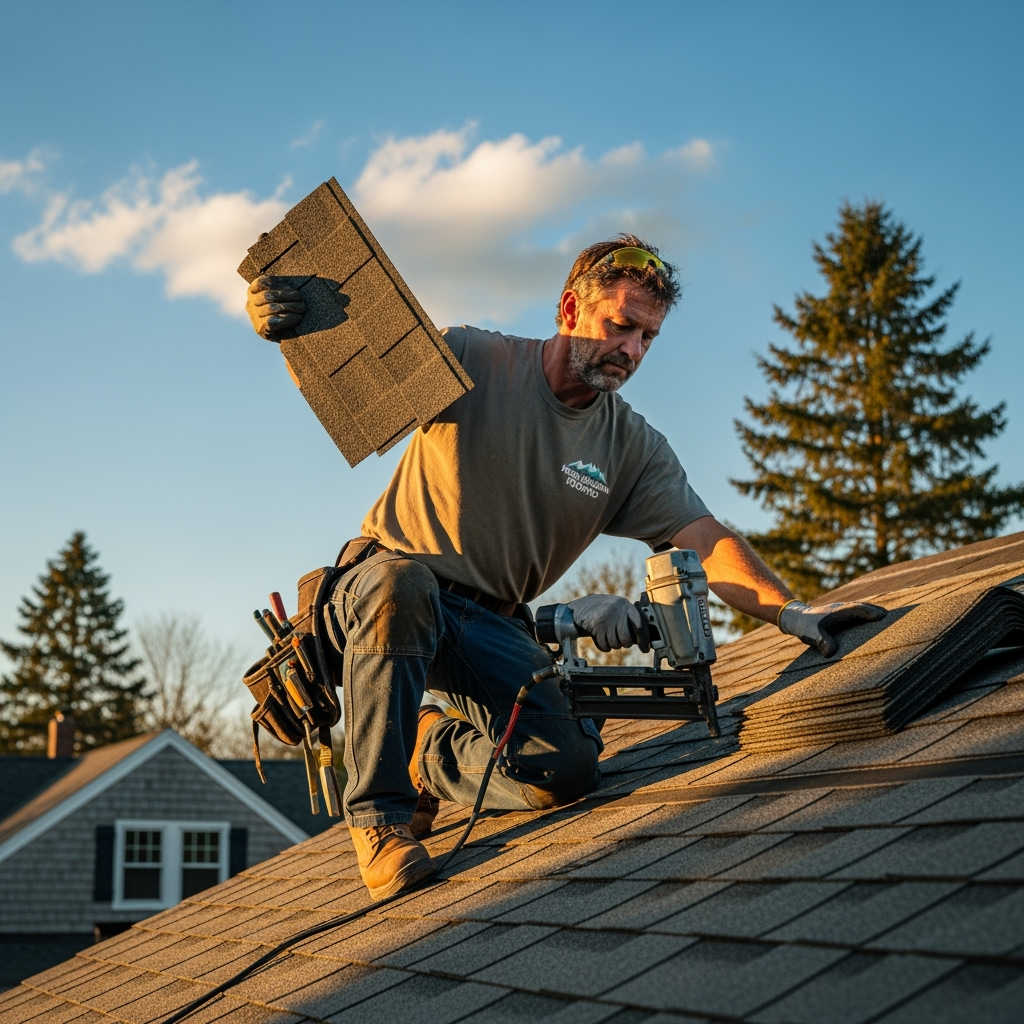
When your home needs a new roof, I know how overwhelming the choices can be. A roof replacement in Maine is about more than picking shingles — it’s about weather resilience, local building codes, and long-term value. For guidance on severe weather and recovery planning that affects roofing decisions, FEMA’s homepage is a helpful resource: FEMA.
Why timing matters for a roof replacement in Maine
Here in Maine, seasons define how and when a roof should be replaced. Harsh winters, spring storms, and salty coastal air all affect roofing materials differently. That’s why a timely replacement does more than freshen your curb appeal: it prevents water damage, improves insulation, and reduces the chance of emergency repairs after the next big storm. I usually recommend planning replacements during late spring through early fall to avoid winter installation challenges and to ensure sealants and adhesives cure properly.
Signs your roof needs replacement rather than repair
Not every leak needs a full replacement, but there are clear signs a roof’s life is over. I tell homeowners to look for these red flags:
- Widespread curling, missing, or granule-loss shingles across most of the roof.
- Multiple leaks or recurring water stains despite repairs.
- Visible decking sag, extensive rot, or repeated structural issues in the attic.
- Age: most asphalt shingle roofs last 20–25 years in Maine’s climate; older roofs often reach the point where replacement is more cost-effective than another repair.
Understanding the costs in this area
Roof replacement costs vary by roof size, pitch, materials, and local labor rates. In Maine, coastal exposure and the need for higher wind- and ice-resistance can affect material choice and price. I walk homeowners through a clear pricing breakdown early on so there are no surprises: material costs, labor, permit fees, disposal of old roofing, and any needed structural repairs.
One cost-saving approach I often recommend is getting a thorough roof inspection first. That helps identify whether some areas need targeted repair versus full replacement, and it clarifies whether extra work—like replacing rotted decking or upgrading attic insulation—will be needed before new materials go on.
Choosing the right materials for Maine weather
Material choice should match the local climate and your long-term goals. Here are common options and where they make sense:
- Asphalt shingles: Widely used, economical, and available in impact-resistant and high-wind rated options suited for many Maine homes.
- Metal roofing: Excellent for snow shedding and long life, especially on steeper roofs and in coastal conditions when properly coated.
- Architectural shingles: Thicker than 3-tab shingles, they offer better durability and curb appeal for the middle price range.
- Slate, cedar, and tile: Premium options with beautiful aesthetics but higher cost and specific structural requirements; cedar needs regular maintenance in coastal humidity.
Ice dams, snow load, and ventilation — what matters most
Ice dams are a common winter issue in Maine. They form when heat escaping from an attic melts snow on the roof, which refreezes at the eaves and blocks drainage. Proper insulation and ventilation are the best defenses. When planning a replacement, I always assess the attic’s insulation levels, evaluate ventilation pathways, and recommend upgrades where they’ll reduce the chance of ice dams forming again.
Snow load considerations affect roof structure. Older homes sometimes need reinforcement to meet modern load expectations. If your roof has sagging rafters or a low slope, include a structural assessment in your replacement plan.
Permits, codes, and local inspections
Local building codes and permit requirements change across towns and counties in Maine. I always advise calling the city or town building department early in the process to learn permit costs and inspection timelines. A reputable contractor will handle permits, schedule inspections, and make sure material choices meet local wind and fire codes. That saves you time and keeps the project compliant.
How to vet local roofing contractors
Finding a reliable contractor in Maine comes down to credentials, local experience, and clear communication. I recommend the following vetting steps:
- Confirm licensing and insurance for both liability and workers’ compensation.
- Ask for references from recent local jobs and check how the contractor handled permits and cleanup.
- Request detailed written estimates that break out materials, labor, warranty, and any subcontracts.
- Look for contractors who offer manufacturer-backed warranties on shingles and a workmanship warranty for installation.
Don’t choose a contractor solely on price. The lowest bid may cut corners that cost you more through leaks, premature damage, or missed warranty coverage.
Working with your homeowner’s insurance after storm damage
Storms and wind damage are common causes of roof replacements. If you suspect storm damage, document it with photos and contact your insurance company promptly. I’ve guided homeowners through the claims process and found that being organized—detailed photos, contractor estimates, and receipts—helps make claims smoother. Be cautious of contractors who show up uninvited after a storm and pressure you to sign immediately; reputable local professionals will provide a clear estimate and explain the claims process.
Financing options and incentives
Roof replacement is a major investment, but there are ways to manage the cost. Options include home equity lines, personal loans, contractor financing plans, and sometimes short-term payment arrangements. Additionally, energy-efficiency improvements like increased insulation or cool roofing materials may qualify for local rebates or federal incentives. Check with your contractor and local energy offices to find available programs. Planning improvements as part of your roof replacement can be a smart way to capture long-term savings on heating and cooling in this region.
Trending topics in roofing to consider
Two trends I’m seeing in Maine and nationwide are making a big difference in how homeowners approach roof replacements:
1) Climate resilience and stronger materials. With more intense storms and variable winters, many homeowners opt for impact-resistant shingles, upgraded underlayment, and stronger fastening systems to withstand wind and hail. Choosing materials with higher wind and impact ratings reduces the risk of premature damage.
2) Solar-ready and energy-efficient roofing. More roofs are being planned with solar panels or cool-roof technologies in mind. If you plan to add solar later, a roof that’s in good shape and rated for future panel installation saves money and time down the road. Also, improved attic insulation and reflective roofing options can lower heating and cooling needs, which matters in Maine’s varied climate.
Preparing your home and yard before work begins
Good preparation speeds the project and protects your property. Here’s how I recommend homeowners prepare before crews arrive:
- Clear driveways and provide easy access for staging materials and dumpsters. Move vehicles to a safe location and keep pathways clear.
- Trim nearby trees and remove loose items from yards and porches to prevent damage from falling debris.
- Secure or remove wall-mounted items near gutters, like solar lights or satellite dishes, until the job is done.
- Inform neighbors about the upcoming work, especially if parking or shared driveways will be affected.
Contractors should include cleanup and disposal in the estimate, and they should protect landscaping with plywood or tarps where heavy traffic is expected.
What to expect during the replacement process
A standard replacement generally follows these steps: inspection and measurement, tear-off of old materials, decking repairs if needed, underlayment and flashing installation, shingle or material installation, cleanup, and final inspection. Communication is key throughout. I make sure homeowners know the work schedule, predicted weather impacts, and how to reach the crew or project manager with questions.
Questions to ask before you sign a contract
Before you commit, here are practical questions to ask a contractor so you understand the project scope and protections:
- What exactly is included in the written estimate and what could trigger additional costs?
- Who will be on site each day, and who is the point of contact for decisions or issues?
- What are the start and completion dates, and how will weather delays be handled?
- What warranties are provided for materials and workmanship, and how are warranty claims handled?
How to protect your investment after installation
After a new roof is installed, regular inspections and maintenance extend its life. I advise a quick seasonal check for missing shingles, blocked gutters, and flashing issues. Keep attic ventilation and insulation in good shape to reduce ice dam risk. Also keep paperwork for warranties and inspection reports in case you need them for future resale or insurance claims.
Real-life examples and common scenarios
I’ve worked with homeowners across Maine who faced different roofing challenges: a coastal cottage with accelerated shingle wear from salt spray, a century-old house needing careful decking replacement for historical integrity, and a split-level with a complicated roofline that required staged tear-offs. In each case, the process worked best when the homeowner prioritized local weather-resilient materials, clear permits, and a contractor experienced with this area’s typical problems.
Quick checklist to move forward
Use this short checklist to start planning your roof replacement:
- Schedule a professional roof inspection to assess damage and remaining life.
- Get at least two detailed written estimates that include permits and cleanup.
- Confirm contractor licensing, insurance, and local references.
- Plan timing for late spring through early fall when possible, and prepare your yard for staging.
Final thoughts
Replacing a roof in Maine is an investment that protects your home for decades when it’s done with local conditions in mind. From choosing the right materials to managing permits and insurance, staying informed and working with experienced professionals reduces risk and delivers better results. Whether you’re tackling storm damage, upgrading for energy efficiency, or finally addressing an aging roof, a thoughtful plan makes the process smoother and preserves your home’s value.
If you’re ready to get started or want a clear, no-pressure estimate for a roof replacement in Maine, reach out to Summit Exteriors LLC for local expertise and dependable service.